
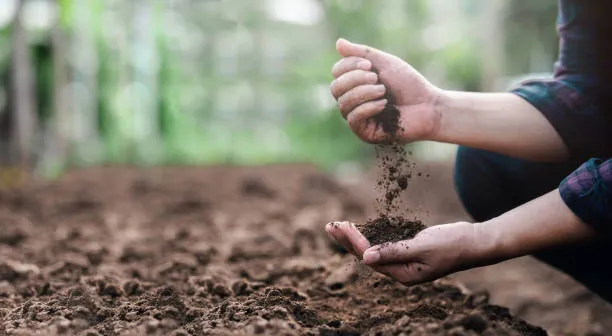
Sand lacks structure, nutrients, and life. But with the right mix of organic matter and beneficial bacteria, we can turn lifeless particles into thriving soil ecosystems. Turning sand into soil isn’t magic—it’s science. In arid zones, where the land is dominated by dry, structureless sand, rebuilding soil starts with adding organic carbon. Compost provides not only nutrients but also acts as a physical binder that gives loose sand particles cohesion and porosity. At Agricare Planet, we enrich this base with a tailored blend of organic matter designed to restore structure and enable the soil to hold moisture and nutrients—two things deserts severely lack.
The true transformation begins below the surface, with the introduction of beneficial microbes. These microscopic organisms are responsible for kickstarting soil fertility. Nitrogen-fixing bacteria, for instance, convert atmospheric nitrogen into forms plants can use, while other microbes improve moisture retention by increasing organic matter decomposition and promoting root symbiosis. This microbial network brings dead soil to life and enables sustainable farming without chemical dependence.
At Agricare Planet, we don’t guess—we measure. By combining biology, mineral science, and environmental engineering, we are redefining how arid land can be revived. Our scientific approach to soil regeneration is helping farmers grow where nothing once stood, proving that with the right tools and insights, even sand can become soil.
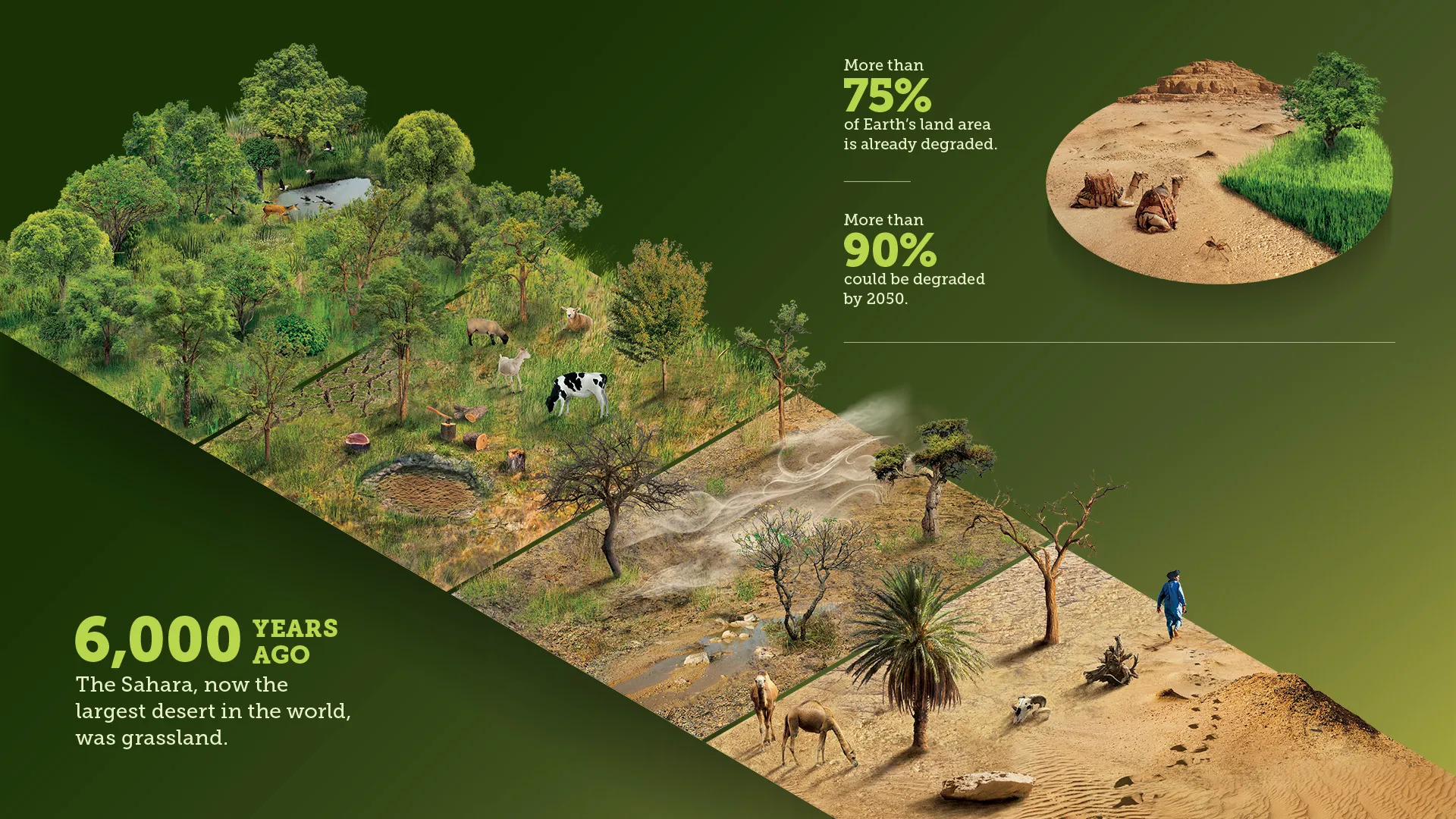
What once was barren desert is now green, fertile land. At Agricare Planet, our mission isn’t just to farm — it's to revive. Through advanced organic fertilizer application and microbial soil boosting, we've reclaimed hundreds of hectares of arid land in the UAE and India.
Read More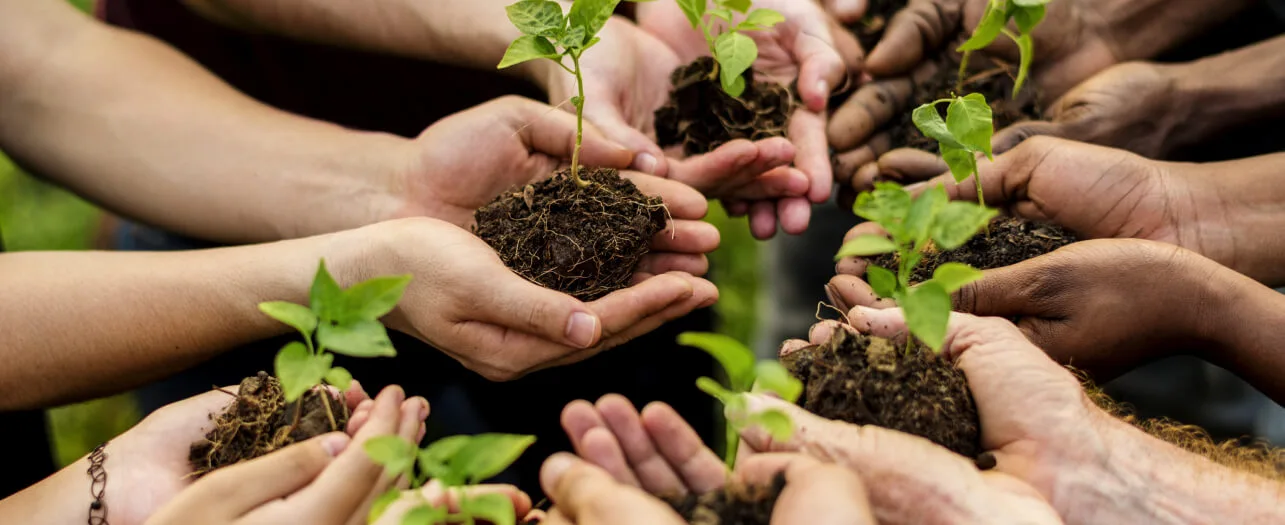
What many call waste, we call fuel. Agricare Planet recycles 100% of its green waste and plant residue into high-quality soil-enriching fertilizers.
Read More
Agricare Planet is to deliver innovative, reliable, and affordable energy solutions that respect the environment and uplift the communities we serve.
Compass Coworking Centre Al Shohada Road Al Hamra Industrial Zone - FZ - Ras Al Khaimah
© 2025 Agricare Planet All rights reserved. Designed by Future IT Touch Pvt Ltd
Leave a Reply