Vermicompost (vermi-compost)
is the product of the decomposition process using various species of worms, usually red wigglers, white worms, and other earthworms, to create a mixture of decomposing vegetable or food waste, bedding materials, and vermicast. This process is called vermicomposting, while the rearing of worms for this purpose is called vermiculture.
Benefits of Soil
- Improves soil aeration
- Enriches soil with micro-organisms (adding enzymes such as phosphatase and cellulase)
- Microbial activity in worm castings is 10 to 20 times higher than in the soil and organic matter that the worm ingests[41]
- Attracts deep-burrowing earthworms already present in the soil
- Improves water holding capacity[42]
Plant growth
- Enhances germination, plant growth, and crop yield
- Improves root growth and structure
- Enriches soil with micro-organisms (adding plant hormones such as auxins and gibberellic acid)[citation need]
- Moisture content: 15.0% - 25.0% by weight
- Color: Dark brown to black
- Odor: Absence of foul odor
- Particle size: Minimum 90% material should pass through 4.0 mm IS sieve
- Bulk density: 0.7 - 0.9 g/cm³
- Total Organic Carbon: Minimum 18.0% by weight
- Total Nitrogen (as N): Minimum 1.0% by weight
- Total Phosphate (as P₂O₅): Minimum 0.8% by weight
- Total Potassium (as K₂O): Minimum 0.8% by weight
(x) Heavy Metal Content (as mg/Kg), maximum
Cadmium (as Cd)
5.00
Chromium (as Cr)
50.00
Nickel (as Ni)
50.00
Lead (as Pb)
100.00
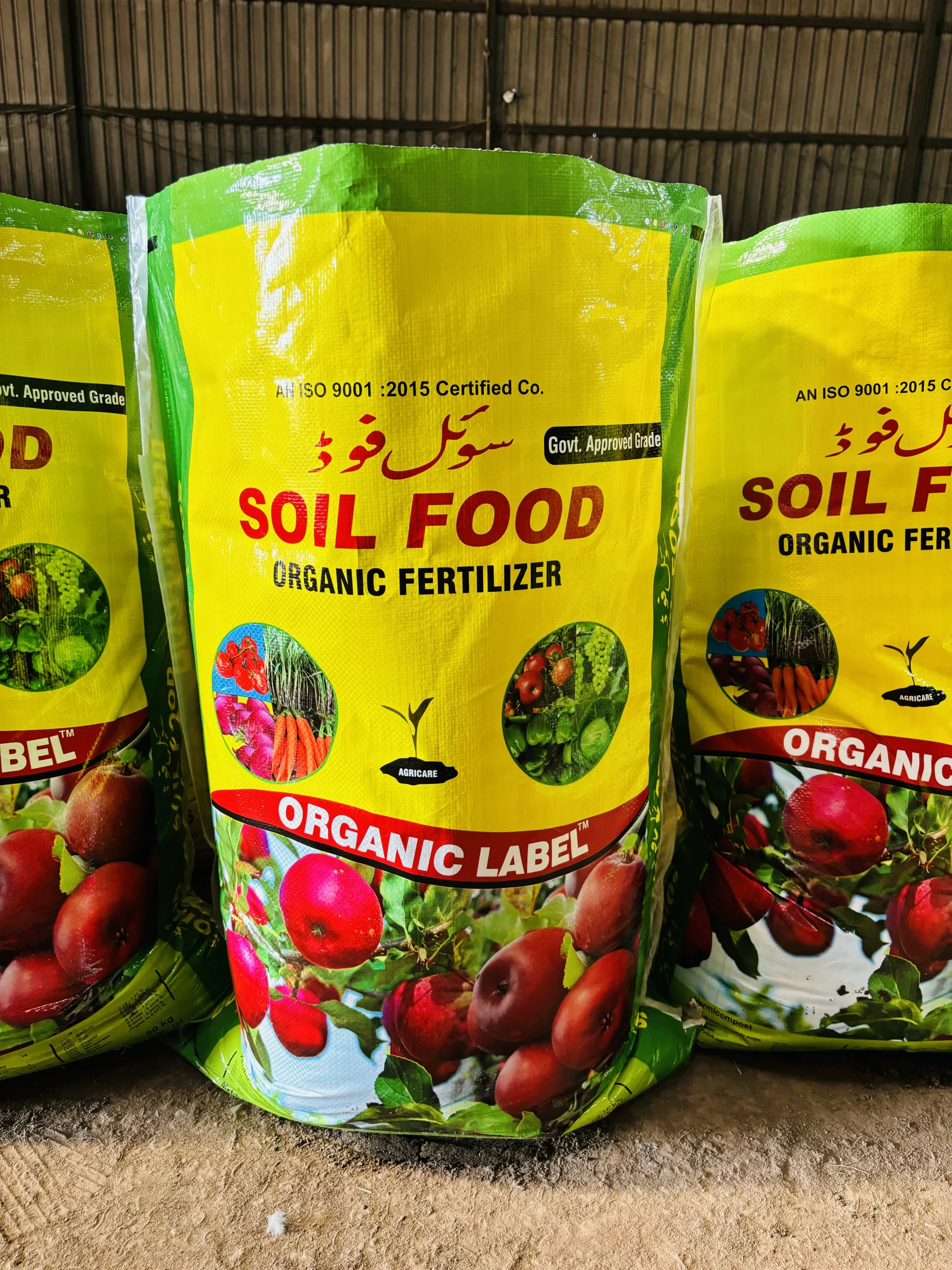
TOLERANCE LIMIT OF ORGANIC FERTILISER: A sum total of nitrogen, phosphorus, and potassium nutrients shall be not less than 2.5% in case of vermicompost.